Editorial Platform — Informational content only. No services, no sales, no deliveries. Read full notice
+41 159 372 548LuzernOpen Mon-Fri 9-18
Certified Approach

Cooking Methods for Maximum Nutrition

Discover how different cooking techniques preserve and enhance the nutritional value of your food. Expert insights, practical tips, and evidence-based guidance from our editorial team.

Medical Disclaimer

The information on this site is for educational purposes only and does not constitute medical advice. Always consult a qualified healthcare professional before making health decisions.

Browse by Topic

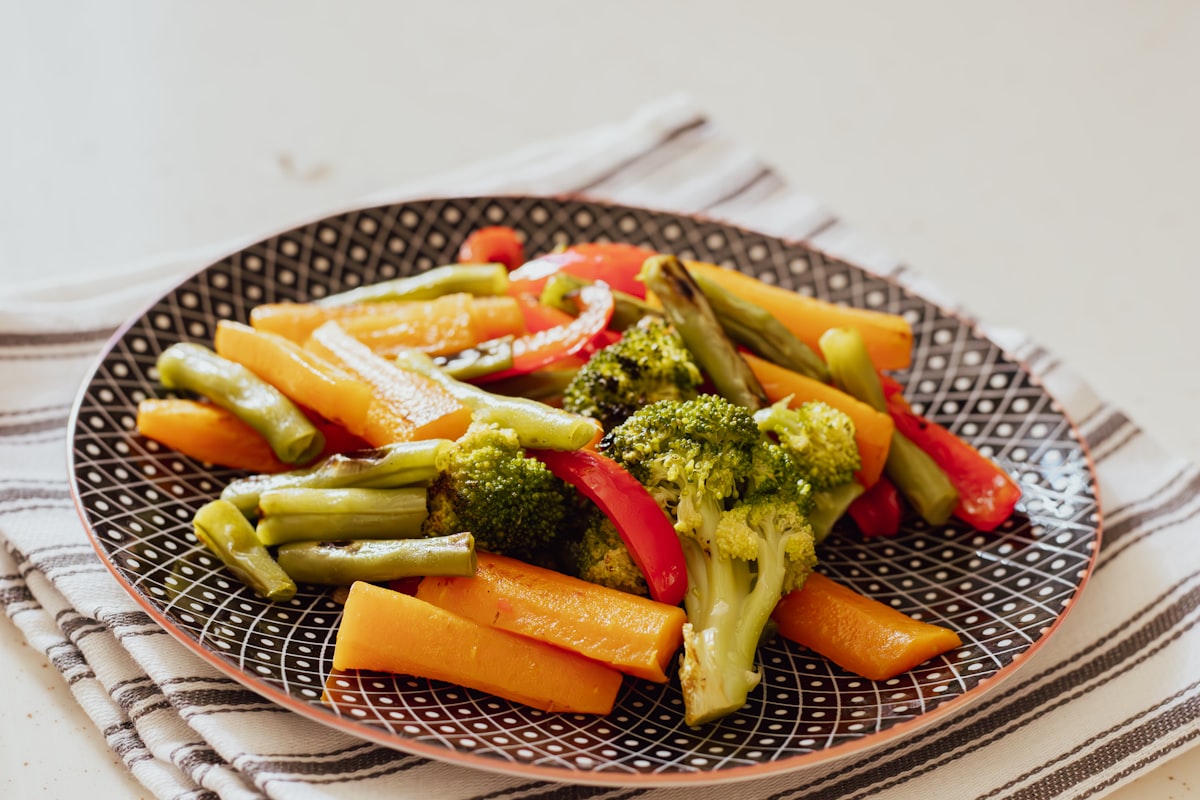
Steaming vegetables for optimal nutrition

March 15, 2024

Steaming: The Gentle Method to Preserve Vitamins

Steaming stands out as one of the gentlest cooking methods available, maintaining the structural integrity of vegetables while preserving heat-sensitive nutrients like vitamin C and B vitamins. This technique uses hot water vapor rather than direct heat, allowing foods to cook evenly without nutrient leaching into cooking liquid.

Read more →
Raw food nutrition benefits

March 12, 2024

Raw Foods: Understanding Enzymatic Activity and Nutrient Density

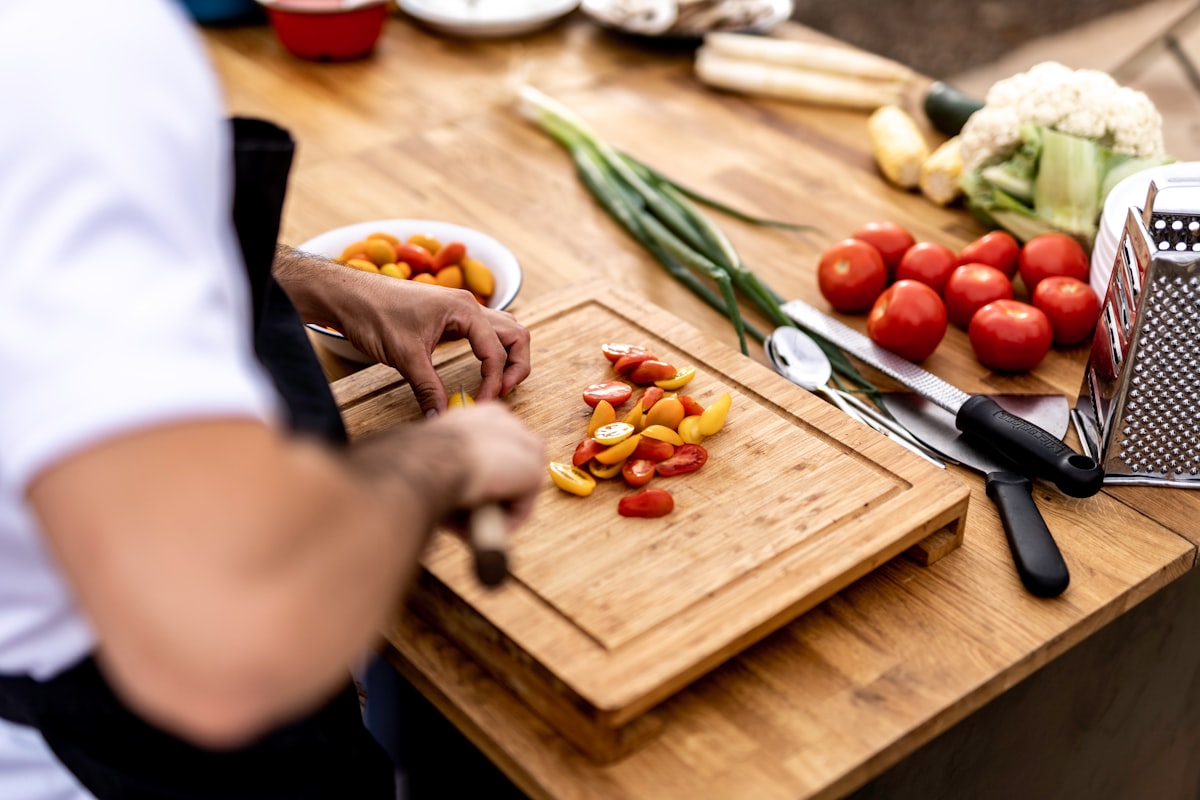
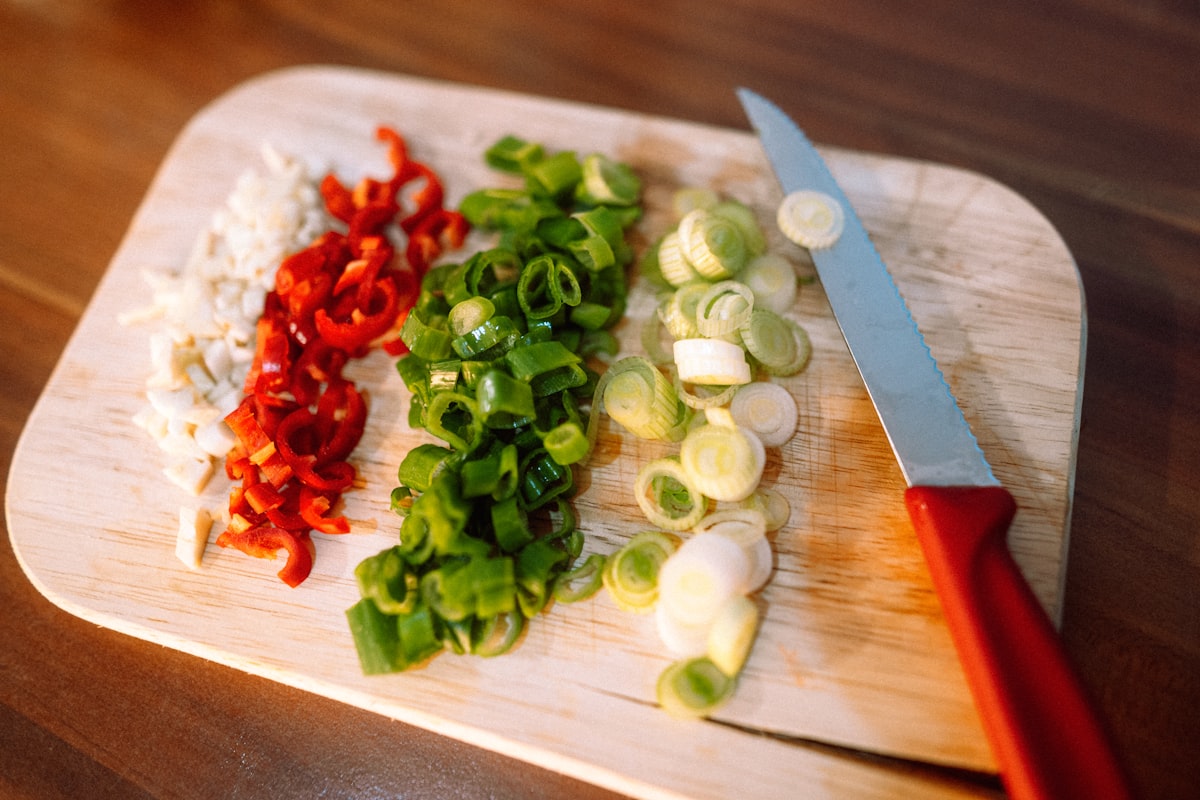
Raw foods retain their native enzymes and many heat-sensitive compounds that support digestive function and nutrient absorption. However, some nutrients like lycopene in tomatoes and beta-carotene become more bioavailable through gentle cooking, making a balanced approach to raw and lightly cooked foods optimal.

Read more →
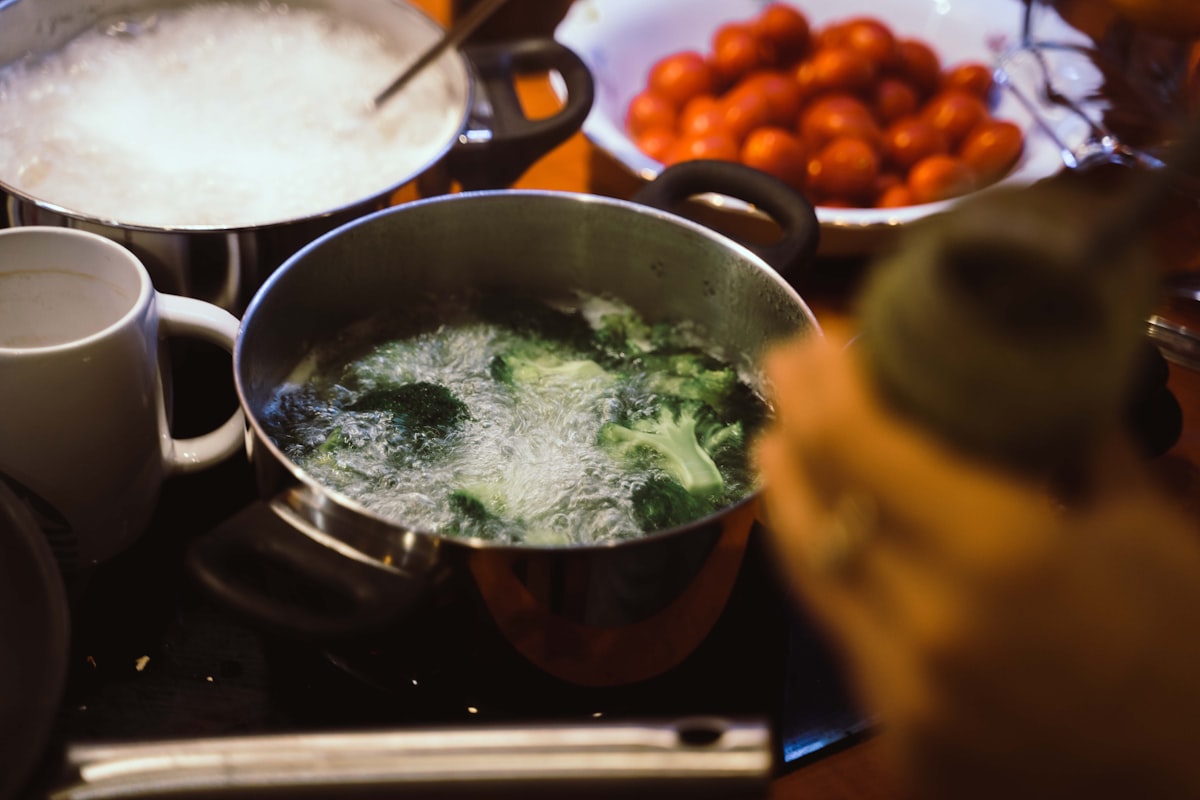
Boiling and poaching techniques

March 8, 2024

Boiling & Poaching: Managing Nutrient Loss Strategically

While boiling can cause water-soluble vitamins to leach into cooking water, this method is excellent for legumes and certain grains that become more digestible through extended cooking. Poaching offers a middle ground by using minimal liquid and shorter cooking times, particularly beneficial for delicate proteins and eggs.

Read more →
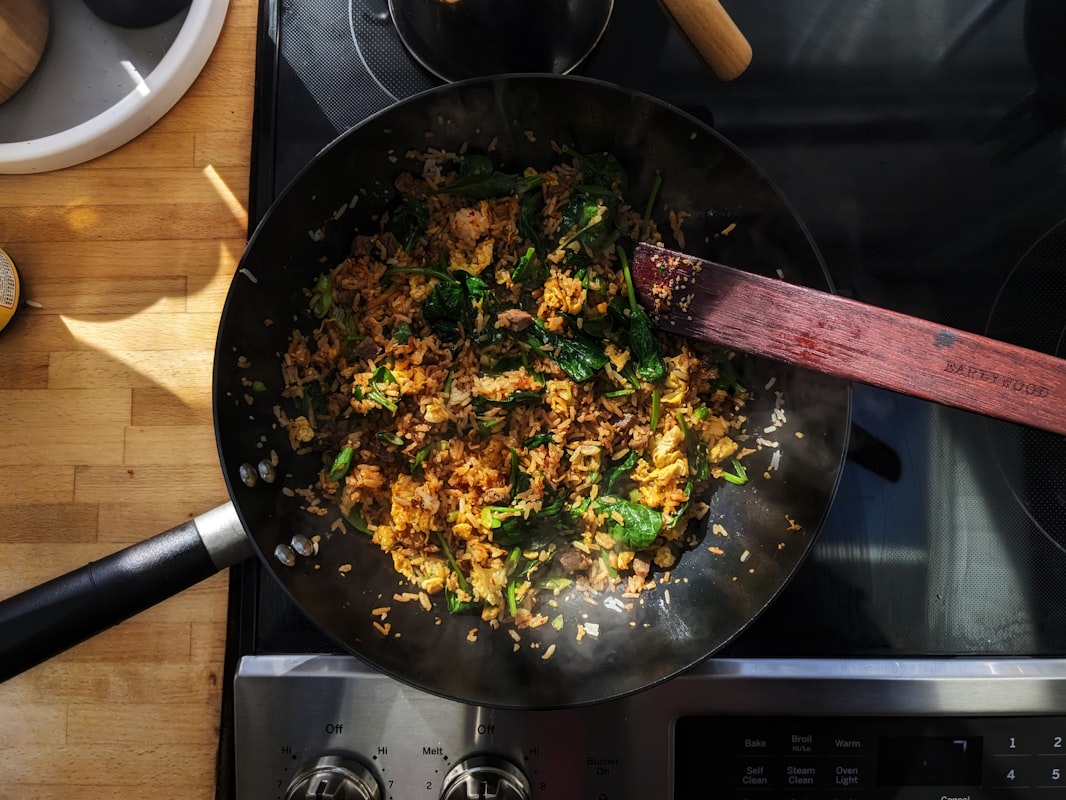
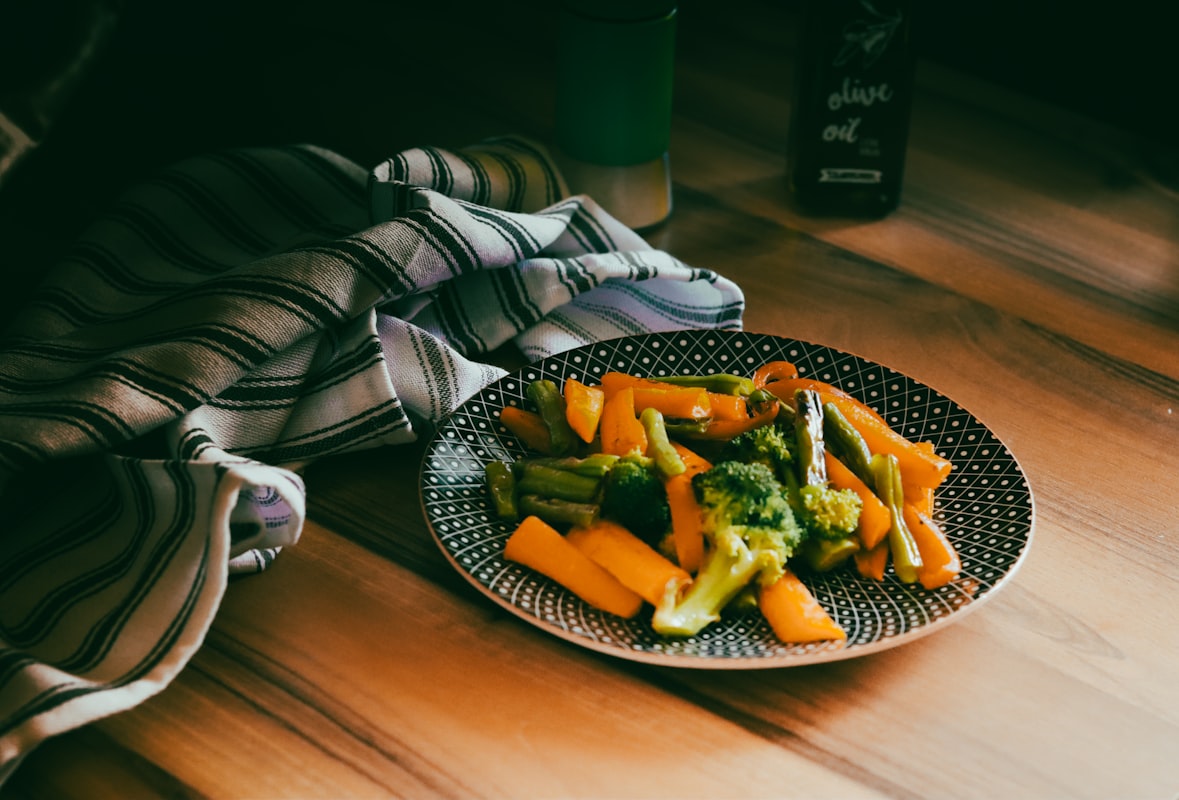
Roasting vegetables and proteins

March 5, 2024

Roasting: Concentrating Flavors While Maintaining Nutrients

Dry-heat roasting at moderate temperatures concentrates the natural sugars and flavors of vegetables while preserving most mineral content. The Maillard reaction created during roasting produces beneficial compounds that may enhance antioxidant activity, though excessively high temperatures should be avoided to minimize nutrient degradation.

Read more →
Slow cooking and nutrient availability

February 28, 2024

Slow Cooking: Gentle Heat for Complex Nutrient Profiles

Slow cooking at low temperatures for extended periods allows collagen to break down into bioavailable gelatin while preserving heat-sensitive vitamins better than rapid high-heat methods. This technique is particularly effective for bone broths and tough cuts of meat, creating nutrient-dense options that support mineral absorption and gut health.

Read more →
Fermentation and nutrient enhancement

February 24, 2024

Fermentation: Unlocking Enhanced Bioavailability

Fermentation is a non-heat cooking method that transforms food through microbial activity, creating beneficial compounds like probiotics and organic acids that improve nutrient bioavailability. This ancient technique naturally reduces antinutrients like phytic acid in grains and legumes, making minerals more accessible for absorption in the body.

Read more →

Editorial Highlights

The Complete Guide to Nutrient Preservation

Different foods contain different types of nutrients—some are water-soluble, others fat-soluble, and still others benefit from gentle heat exposure. Understanding which cooking method suits each food category is essential for building a truly nourishing diet that maximizes the nutritional value of every meal.

Our comprehensive article explores temperature thresholds, cooking duration guidelines, and practical strategies for combining multiple methods to create balanced, nutrient-dense meals that support your wellness goals.

Explore Full Article
Nutrient preservation guide illustration

Latest Insights from Our Team

Our editorial team continuously researches emerging cooking science and traditional food preparation methods to bring you evidence-based guidance on optimizing nutrition through intentional cooking choices.

Temperature Science

Understanding how specific heat levels affect different nutrient classes helps you choose the right cooking method for each ingredient in your kitchen.

Plant-Based Preparation

Vegetables, fruits, and legumes respond differently to heat. Learn strategic approaches that enhance both flavor and nutritional accessibility.

Protein Optimization

Proteins from meat, fish, and eggs have unique cooking requirements that affect amino acid availability and digestibility.

Practical Meal Planning

Combine multiple cooking methods within single meals to create synergistic nutritional profiles that support optimal wellness.

Stay Updated with New Articles

💡 Did you know?
Our editorial team publishes new research summaries and practical guides regularly. Send us feedback or reach out with questions about cooking methods and nutrition.

Editorial Disclosure: This blog presents information and research summaries for educational purposes. The content reflects current scientific understanding of cooking methods and nutrition. For personalized dietary guidance, please consult with qualified nutritional professionals. Read our full disclaimer for more information.

This site provides educational content only. We do NOT offer medical consultations, sale of products, deliveries, or refund policies. For medical advice, consult a licensed professional.