
Unlock Maximum Nutrition with Smart Cooking Methods
Discover how different cooking techniques preserve, enhance, or diminish nutrient content in your food. Learn science-backed methods to maximize the nutritional value of every meal you prepare.
The information on this site is for educational purposes only and does not constitute medical advice. Always consult a qualified healthcare professional before making health decisions.
Why Cooking Methods Matter for Nutrition
The way you cook your food fundamentally changes its nutritional profile. Some methods preserve delicate vitamins and minerals, while others can destroy them. Understanding these differences empowers you to make informed choices about food preparation.
Steaming
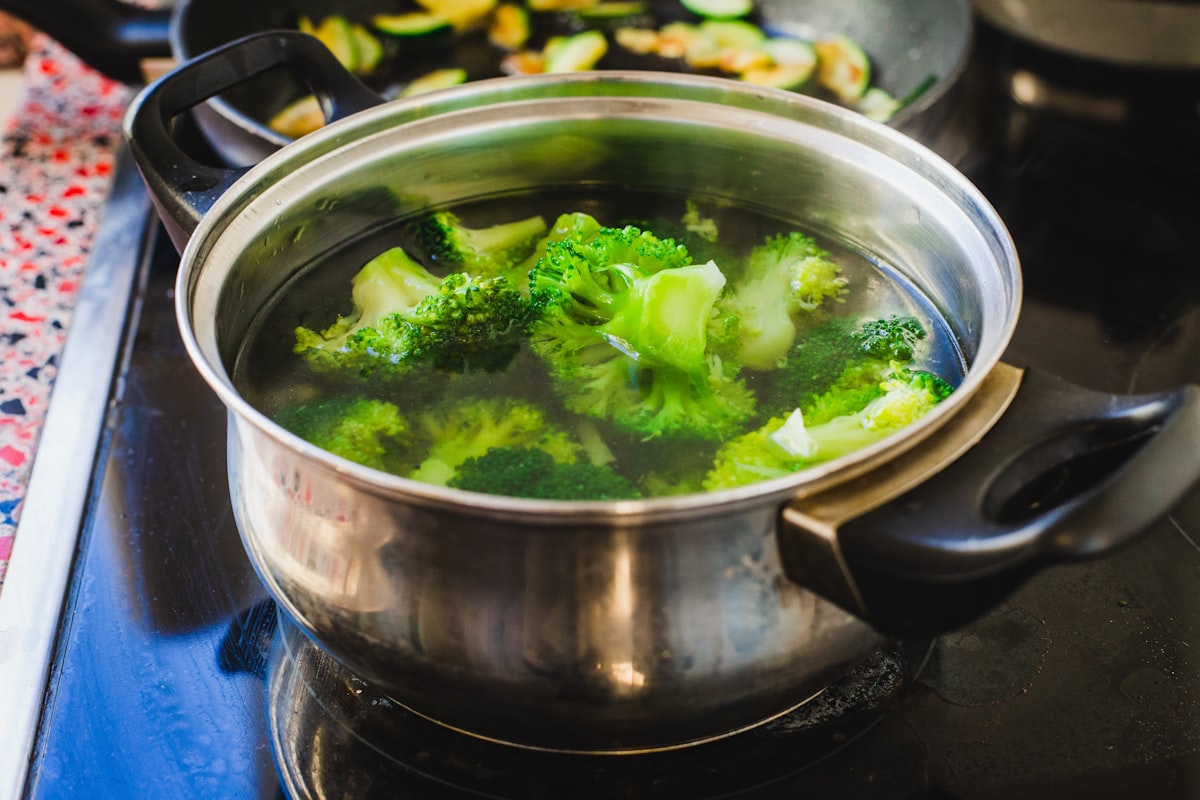
One of the gentlest cooking methods, steaming uses moist heat to cook vegetables while preserving water-soluble vitamins. Steamed broccoli retains approximately 90% of its vitamin C content and maintains its bright green color and crisp texture. This method is ideal for heat-sensitive nutrients.
Boiling
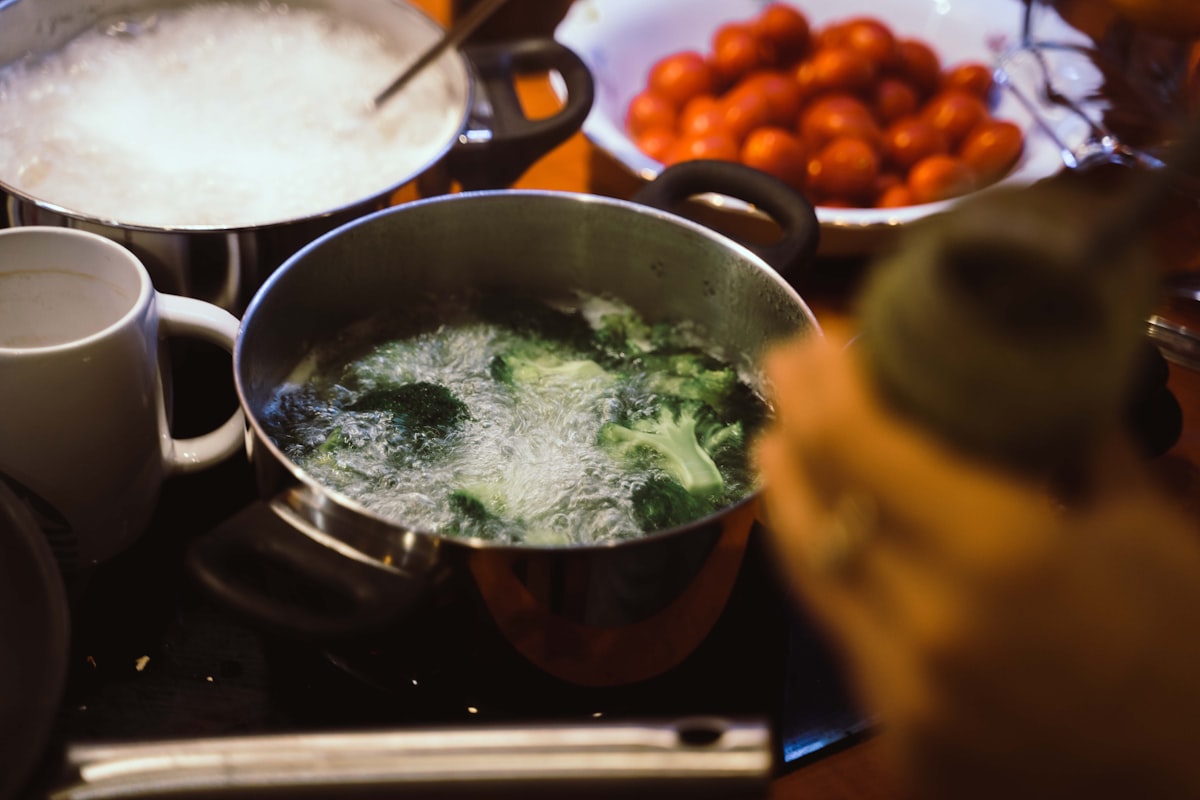
While boiling is convenient, it can leach water-soluble vitamins like vitamin C and B vitamins into the cooking water. Boiled vegetables may lose 25-50% of their nutrient content depending on cooking duration. Save the cooking water for soups and stocks to recapture lost nutrients.
Roasting
Dry heat roasting concentrates flavors and caramelizes natural sugars while preserving fat-soluble vitamins like vitamins A, D, E, and K. Roasted vegetables retain more nutrients than boiled versions. The high heat can reduce some vitamins but enhances bioavailability of certain minerals.
Raw Consumption
Raw vegetables retain all heat-sensitive vitamins and phytonutrients. However, some nutrients like lycopene in tomatoes and beta-carotene in carrots become more bioavailable when lightly cooked. A balanced approach combining both raw and cooked foods provides optimal nutritional benefits.
Slow Cooking
Low temperature, extended cooking breaks down cell walls and makes minerals more bioavailable while preserving heat-sensitive vitamins better than high-heat methods. Slow cooking is excellent for tough cuts of meat and legumes, improving protein digestibility and nutrient absorption.
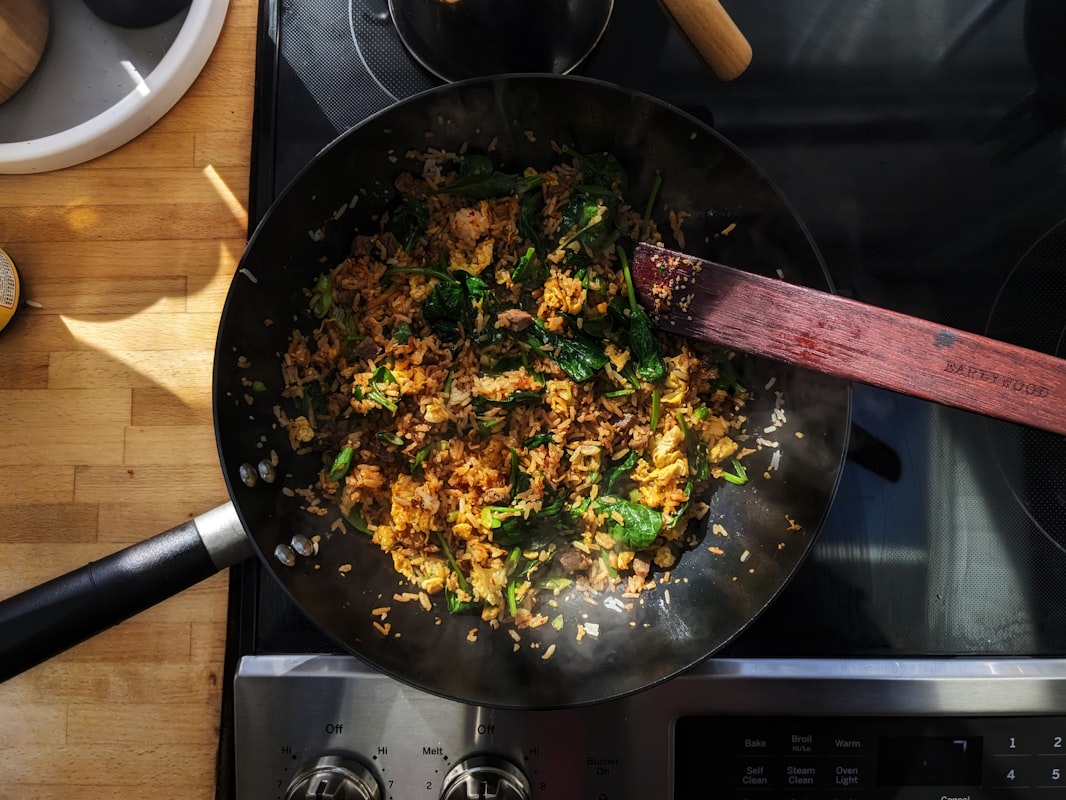
Stir-Frying
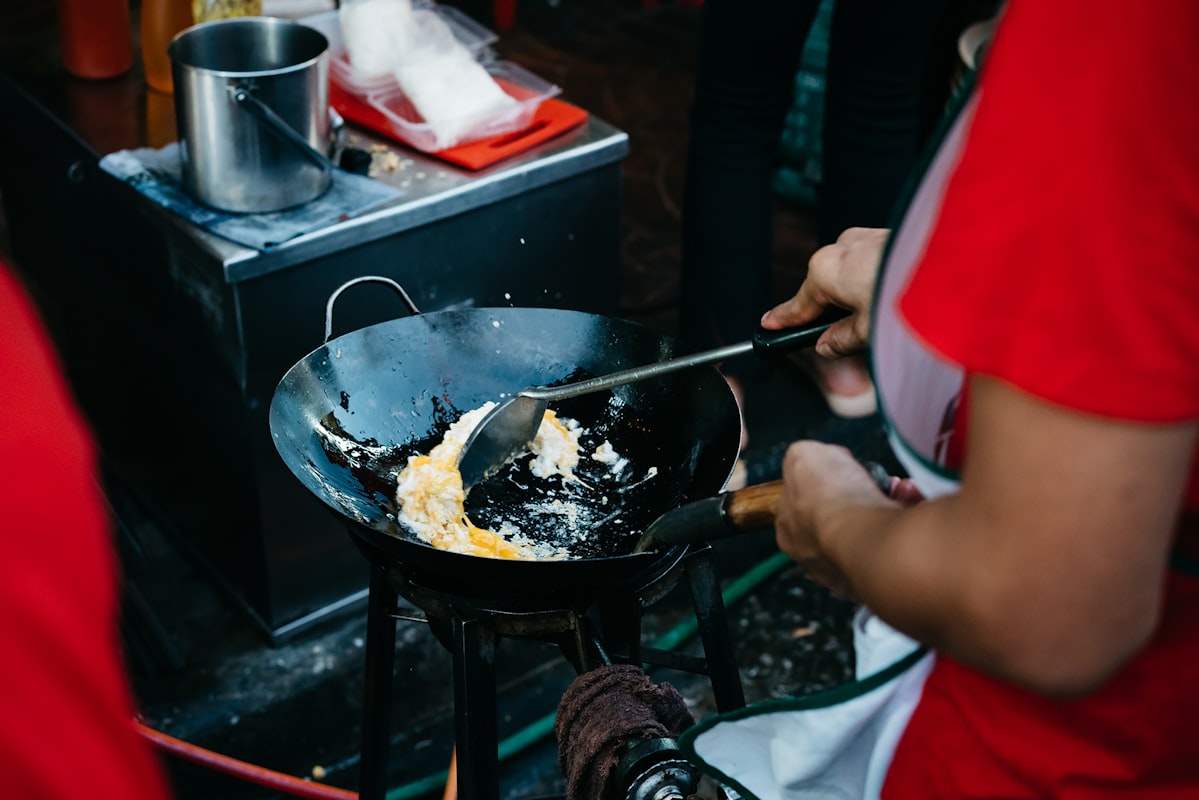
Quick, high-heat stir-frying with minimal water retains more water-soluble vitamins than boiling. The rapid cooking time limits nutrient loss. Adding healthy cooking oils increases the absorption of fat-soluble vitamins and adds beneficial polyphenols from traditional ingredients like garlic and ginger.
Science-Backed Cooking Principles
Master these evidence-based techniques to preserve maximum nutritional value in your daily meals.
Use Minimal Water
Water-soluble vitamins like vitamin C and B vitamins leach into cooking water. Use steaming baskets, microwave cooking, or minimal-water cooking methods. When you must boil vegetables, retain the cooking liquid for soups and sauces to recapture lost nutrients and mineral content.
Keep Cooking Times Short
Prolonged heating progressively destroys heat-sensitive vitamins. Steam broccoli for just 4-5 minutes rather than 10. Stir-fry vegetables until they're tender-crisp. Quick cooking methods preserve nutritional integrity while maintaining the vibrant colors, crisp textures, and fresh flavors that indicate nutrient retention.
Combine Raw and Cooked
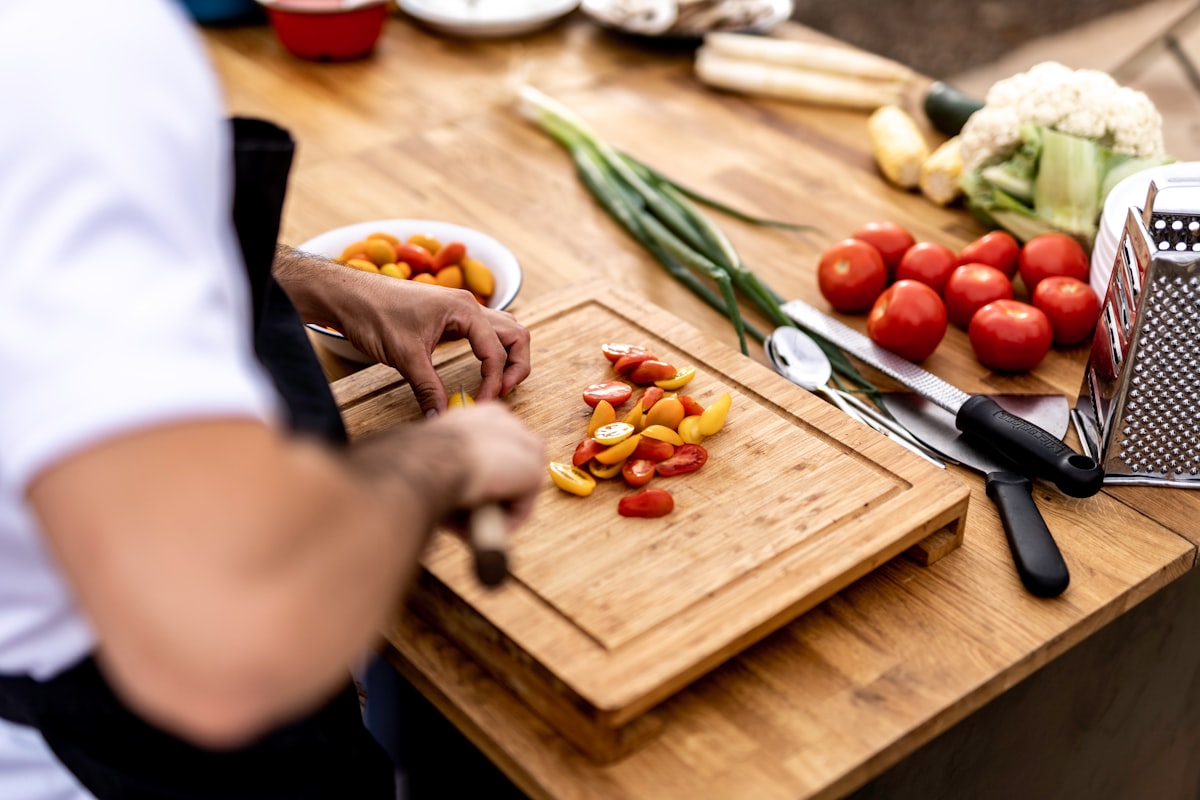
Balance your plate with both raw and cooked foods. Raw vegetables preserve heat-sensitive vitamins, while light cooking breaks down cell walls and increases bioavailability of certain nutrients like lycopene and carotenoids. A mixed approach ensures you capture the complete nutritional spectrum across different food components.
Add Healthy Oils
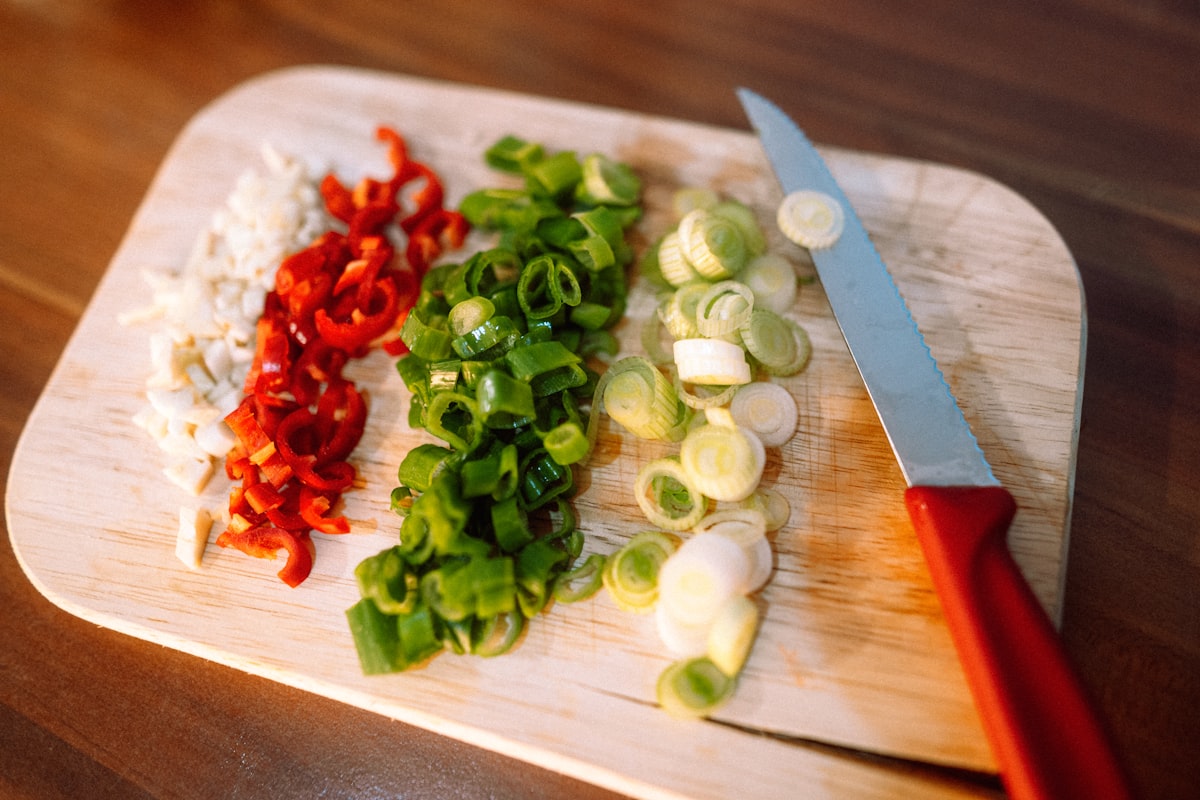
Fat-soluble vitamins (A, D, E, K) require dietary fat for absorption. Cook with olive oil, coconut oil, or use nuts and seeds to enhance nutrient bioavailability. The oils also provide protective polyphenols and improve satiety. Avoid overheating oils—use lower temperatures with extra virgin options and reserve high-heat refined oils for roasting.
Nutrient Retention by Cooking Method
Research-backed data showing how different cooking methods affect nutrient preservation in vegetables.
Vitamin C Retention
B-Vitamins Retention
Mineral Retention
Fat-Soluble Vitamins
Visual Guide to Cooking Techniques
Explore practical examples of optimal cooking methods for different ingredients and nutrients.
Steamed Broccoli
Bright color indicates preserved vitamin C and phytonutrients. Perfect cooking time: 4-5 minutes.
Roasted Root Vegetables
Caramelization enhances natural sugars while preserving minerals. Temperature: 200°C for 25-30 minutes.
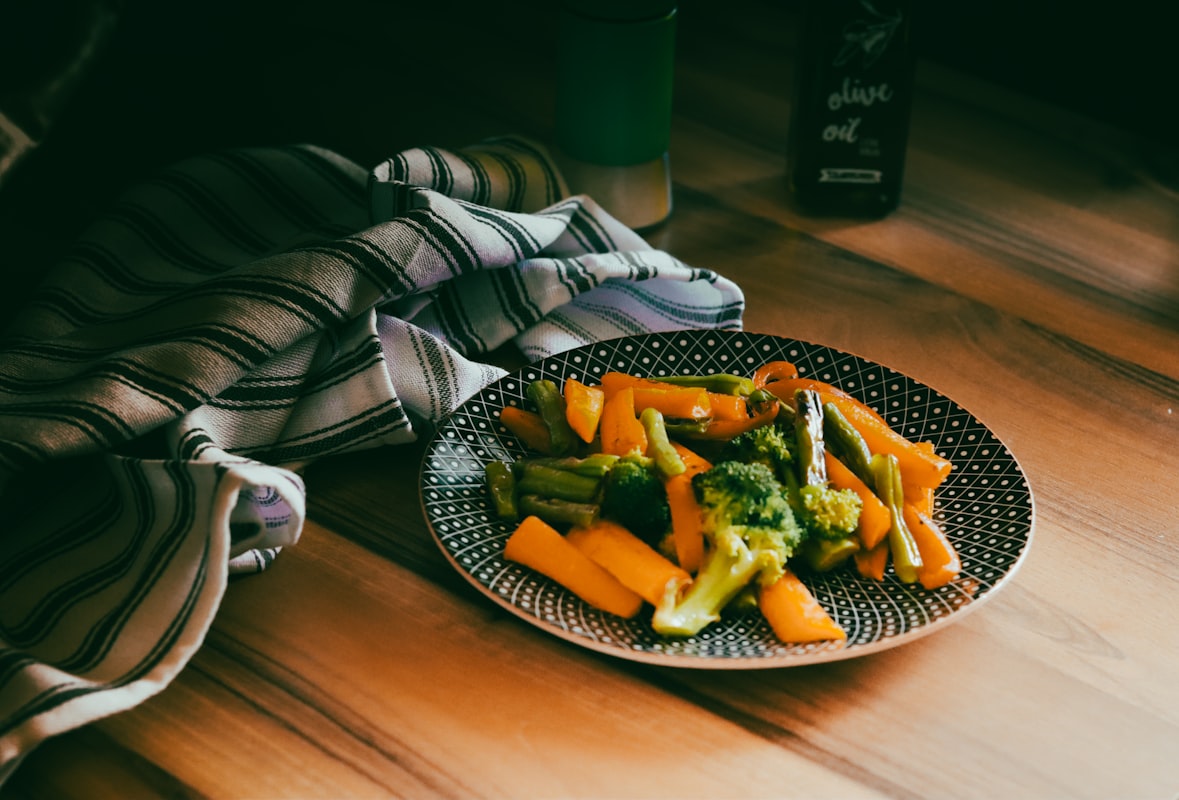
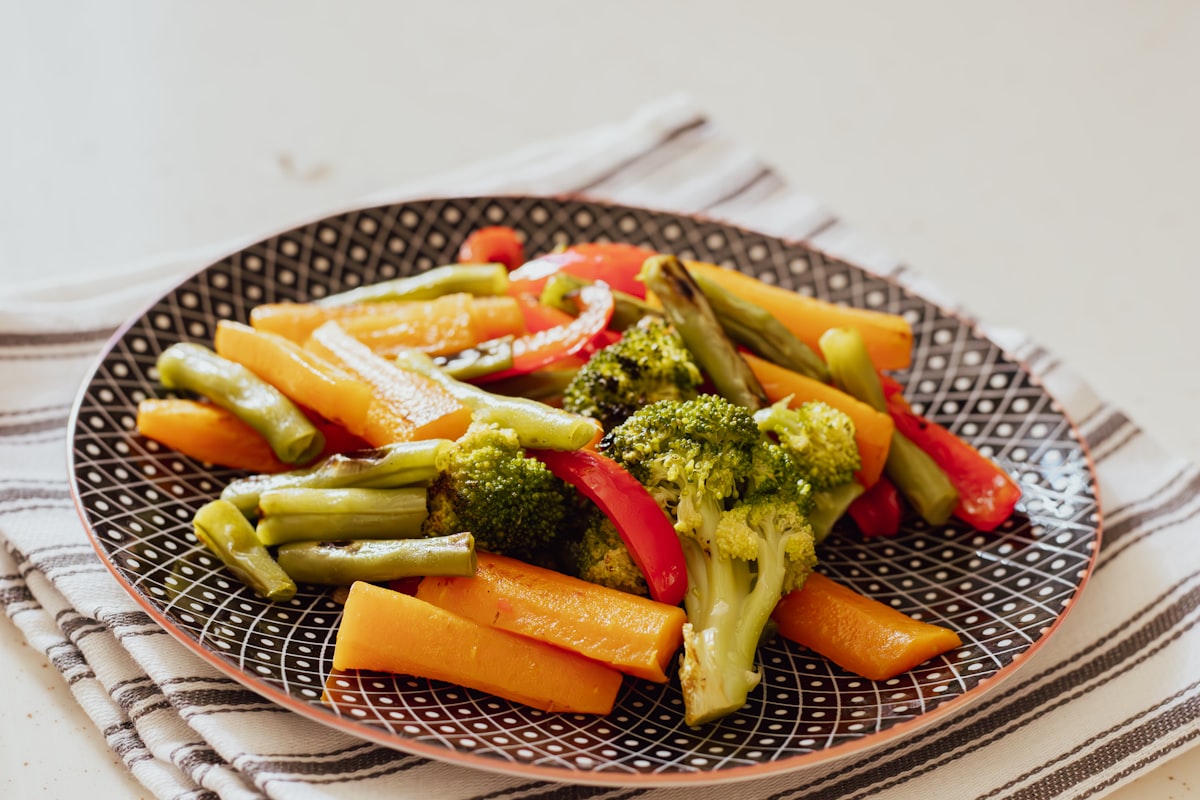
Stir-Fried Vegetables
Quick cooking preserves texture and nutrients while adding healthy oils for better absorption. Time: 5-8 minutes.
Fresh Raw Salad
Maximum retention of heat-sensitive vitamins and enzymes. Pair with oil-based dressing for complete nutrition.
Slow-Cooked Stew
Gentle heat increases mineral bioavailability. Broth captures nutrients from vegetables and collagen from meat.
Grilled Proteins
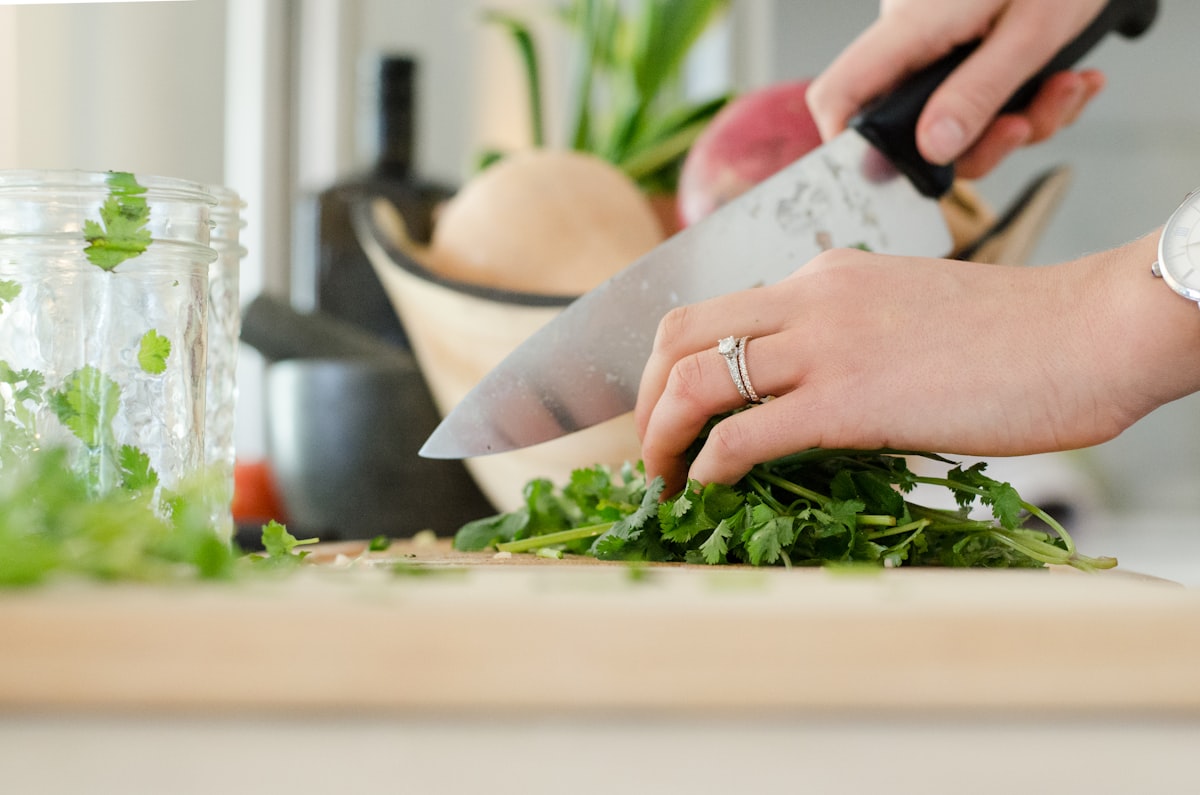
Direct heat cooks quickly preserving amino acids. Pair with fresh herbs for added antioxidants and flavor.
What Nutrition Experts Say
Hear from nutritionists, dietitians, and food science professionals who have implemented these cooking methods in their work and personal lives.
"This resource completely transformed how I teach my clients about meal preparation. The scientific evidence behind each cooking method has given me concrete talking points to explain why steaming preserves more nutrients than boiling. My clients now understand that cooking technique matters as much as ingredient selection. The nutrient retention percentages help them make informed daily decisions about food preparation."
"As a food science educator, I've incorporated these cooking method principles into my curriculum. The visual guides and practical examples make abstract concepts tangible for my students. The nutrient retention charts provide excellent teaching tools. My students now appreciate the chemistry behind cooking and how technique directly impacts nutritional quality. This has elevated their understanding beyond simple recipe following to scientific meal preparation."
"I recommend VitalMind Nutrition's cooking method content to all my wellness coaching clients. The balanced approach showing both raw and cooked foods has helped people move beyond food extremism and adopt flexible, sustainable eating patterns. The scientific backing gives my clients confidence in their choices. They're making better daily decisions about how to prepare their food, which ultimately improves their overall wellness journey."
"I was struggling with meal prep consistency until I discovered Vitalmindnutrition. The personalized guidance helped me understand nutrition at a deeper level. Now I enjoy preparing meals and see real improvements in my energy levels throughout the day."
Ready to Transform Your Nutrition?
Join thousands of people who have already improved their health and wellness with Vitalmindnutrition's expert guidance and scientifically-backed programs.